Notes from Listening
- curated listening from the margins #2

“Notes from Listening - curated listening from the margins” is a curatorial series built around listening as a form of inquiry. Each edition begins with a small constellation of records that resist easy categorization—albums rooted in lived experience, historical conditions, and personal or collective urgency. Rather than focusing on genre or aesthetics alone, this series asks what it means to listen attentively: to follow sound back to the gestures, decisions, emotions, and circumstances that brought it into being.
78 RPM India, Beirut’s voices before the storm, the solitary buzuq, the Silk Road on tape, and Lisbon at the edge of the record. These albums sit at the intersection of document and musical reconstruction. They retrieve from archives recordings that once circulated at the margins of global exchange, often outside the canon and the phonographic industry. What connects them is foundational work: archival research, restoration, historical contextualization, and precise curation.
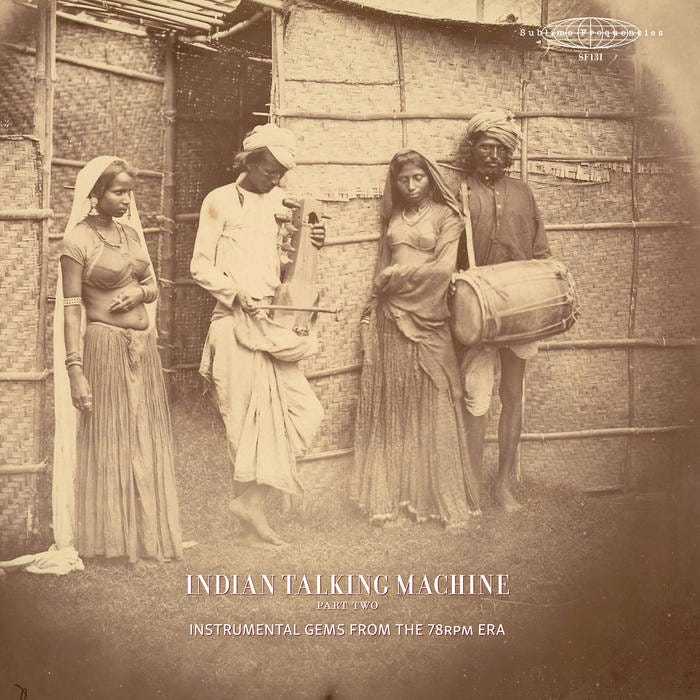
Indian Talking Machine Part Two: Instrumental Gems from the 78rpm Era (Sublime Frequencies)
A double LP of instrumental recordings from India made between 1904 and 1959, originally issued on shellac 78 rpm discs. The selection spans Hindustani and Carnatic traditions as well as regional folk forms. Instruments include sitar, sarod, sarangi, shehnai, vina, pakhawaj, and jalatarang. Among the performers are early phonographic pioneers such as Imdad Khan and Allauddin Khan, the teacher of Ravi Shankar. The collection offers a cross-sectional document of performance techniques, timbres, and aesthetic frameworks predating the global standardization of Indian music.
Dreams & Reproaches: Lebanese Women on 78rpm Discs, ca. 1952–60 (Canary Records)
A compilation of recordings by Lebanese female singers from the period following the country’s independence. The repertoire encompasses both urban art song and popular forms, recorded primarily in Cairo and Beirut. Featured performers include Fairuz, Fayza Ahmed, Odette Kaddo, and Sabah. The album documents a moment of intense emancipation of female voices within Arab phonography. It captures a dynamic, cosmopolitan world that would soon vanish under the weight of political conflict. The track “Ah Ya Zein” is a widely known melodic motif in the Middle East; for comparison I’m adding also a later recording titled “Muhabbet” by Grazia Perez.

Egyptian Buzuq Solos, ca. 1950s (Canary Records)
Four solo buzuq recordings from the 1950s, performed by Dr. Abdel Latif Gohar. They represent the intimate, introspective dimension of Egyptian instrumental tradition. The absence of rhythmic accompaniment and vocals foregrounds melodic microstructures and subtle articulations. The performances balance improvisation with the rigor of classical form. The album stands as a rare document of non-institutional music-making among Cairo’s intellectual elites.

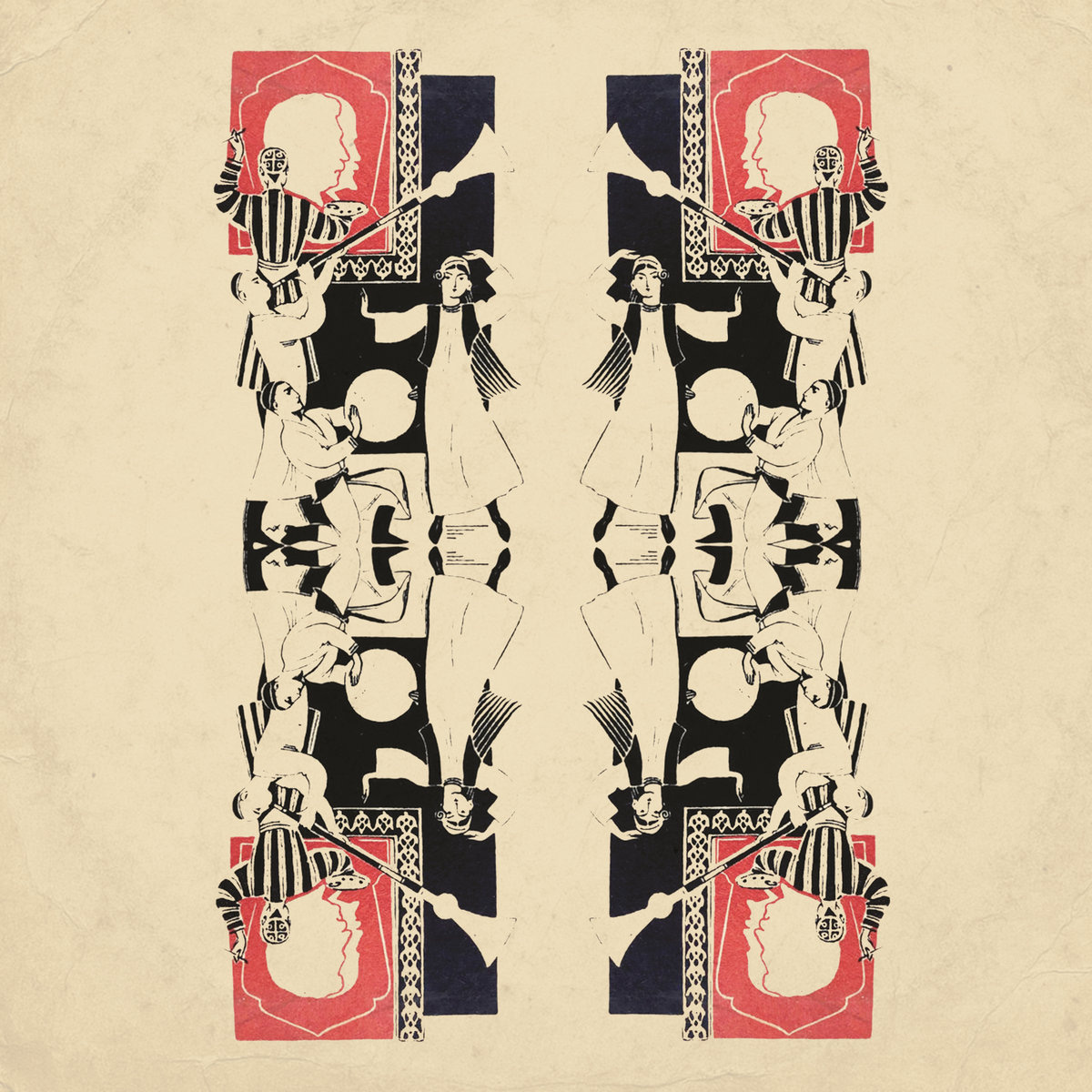
Digging Central Asia: Musical Archaeology Along the Silk Road 2 (Death is Not The End)
The second installment in a compilation series dedicated to the musical traditions of Central Asia. The material draws on archival recordings from Uzbekistan, Tajikistan, Kyrgyzstan, and adjacent regions. Vocal forms, lute-based instrumentation, and traditional chamber ensembles dominate the selection. The compilation reveals the complexity of local scales, rhythmic systems, and narrative techniques. It functions as a sonic atlas of cultures shaped by trade, migration, and empire.
Your Kisses Are Like Roses: Fado Recordings, 1914–1936 (Death is Not The End)
Early fado recordings from Lisbon and Coimbra, made between 1914 and 1936. The repertoire revolves around themes of loss, fatalism, migration, and everyday hardship. The performances typically feature small ensembles: voice accompanied by one or two Portuguese guitars. The album documents the emergence of modern fado before the era of Amália Rodrigues. It reveals the raw, urban origins of the genre, prior to its transformation into Portugal’s principal musical export. This is how Europe sounded at its western edge, while in Izmir, Istanbul, and later Athens, my beloved rebetiko was being recorded.